
Exploring Neuromusculoskeletal Care Methods
- John Hayes Jr, MD

- Jun 19
- 3 min read
When it comes to managing chronic pain, neuropathy, or musculoskeletal issues, finding the right care can feel overwhelming. I’ve spent a lot of time learning about different approaches, and one that truly stands out is neuromusculoskeletal care. This method focuses on the complex relationship between nerves, muscles, and bones to help patients regain function and reduce pain. Today, I want to share what I’ve discovered about this approach.
What Is Neuromusculoskeletal Care?
Neuromusculoskeletal care is a specialized form of treatment that looks at how the nervous system interacts with muscles and bones. It’s not just about treating symptoms but understanding the root causes of pain and dysfunction. This care method often involves a combination of manual therapies, exercise, and lifestyle adjustments tailored to each person’s unique needs.
For example, if someone has chronic back pain, neuromusculoskeletal care doesn’t just focus on the back itself. It also considers how nerve signals might be disrupted or how muscle imbalances contribute to the problem. By addressing these interconnected systems, patients often experience more lasting relief.
This approach is especially helpful for people dealing with neuropathy, where nerve damage causes pain, tingling, or numbness. Neuromusculoskeletal care aims to restore proper nerve function and improve muscle strength, which can significantly enhance quality of life.
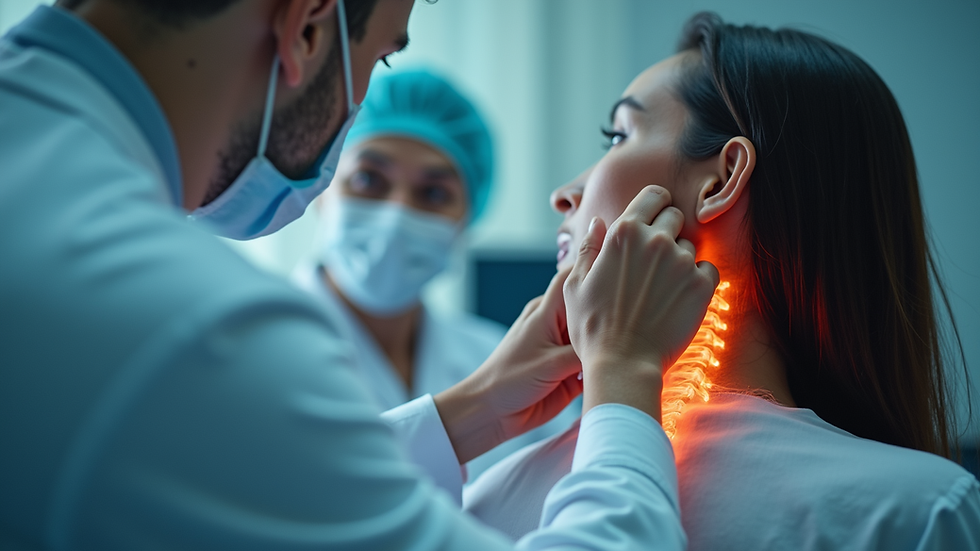
Neuromusculoskeletal Care Methods You Should Know
We have developed several effective neuromusculoskeletal care methods that combine research with hands-on experience. Here are some key techniques we use:
Manual Therapy
This includes hands-on techniques like joint mobilization and soft tissue massage. These methods help reduce pain, improve joint mobility, and release muscle tension.
Neuromuscular Re-education
This technique retrains the nervous system to improve muscle coordination and balance. It’s especially useful for patients recovering from injuries or dealing with nerve-related issues.
Targeted Exercise Programs
Customized exercises strengthen weak muscles and improve flexibility. These programs are designed to support long-term recovery and prevent future problems.
Lifestyle and Ergonomic Advice
Dr. Hayes emphasizes the importance of daily habits. Simple changes in posture, workstation setup, and activity levels can make a big difference in managing symptoms.
Integrative Approach
Combining traditional medicine with complementary therapies, such as acupuncture or nutritional support, helps address the whole person, not just the symptoms.
These methods work together to create a comprehensive care plan that fits each patient’s lifestyle and health goals.
How We Stand Out in Neuromusculoskeletal Care
What makes us unique is our commitment to personalized, integrative care. We don’t just treat conditions; we partner with patients to understand their lives and challenges. This approach helps us tailor treatments that are both effective and sustainable.
Our practice is a great example of this philosophy in action. Patients appreciate the time we take to explain their conditions and the clear steps they can take to improve. This transparency builds trust and encourages active participation in the healing process.
We are passionate about training other physicians in his research-based methods. By sharing our knowledge, we hopes to expand access to high-quality neuromusculoskeletal care beyond his own practice.

Practical Tips for Managing Neuromusculoskeletal Health at Home
While professional care is essential, there are several things you can do at home to support your neuromusculoskeletal health:
Stay Active
Regular movement helps maintain muscle strength and joint flexibility. Even gentle activities like walking or stretching can be beneficial.
Practice Good Posture
Pay attention to how you sit, stand, and move throughout the day. Proper alignment reduces strain on muscles and nerves.
Use Ergonomic Tools
Adjust your workspace to support your body. This might include an ergonomic chair, keyboard, or standing desk.
Manage Stress
Stress can worsen pain and muscle tension. Techniques like deep breathing, meditation, or yoga can help.
Follow Your Care Plan
Stick to the exercises and recommendations provided by your healthcare provider. Consistency is key to seeing results.
By incorporating these habits, you can enhance the benefits of neuromusculoskeletal care and improve your overall well-being.
Looking Ahead: The Future of Neuromusculoskeletal Care
The field of neuromusculoskeletal care is evolving rapidly. Advances in technology and research are opening new doors for diagnosis and treatment. For instance, wearable devices can now track movement patterns and provide real-time feedback, helping patients and providers fine-tune therapy.
We are at the forefront of these developments, integrating new tools and evidence-based practices into our care model. Our goal is to make neuromusculoskeletal care more accessible and effective for everyone.
If you’re dealing with chronic pain or nerve-related issues, exploring this approach could be a game-changer. It’s about more than just managing symptoms - it’s about reclaiming your health and living life to the fullest.
I hope this exploration of neuromusculoskeletal care methods has given you a clearer picture of what’s possible. Whether you’re just starting your journey or looking for new options, remember that personalized, integrative care can make all the difference. And with us, you’re in good hands.


Comments